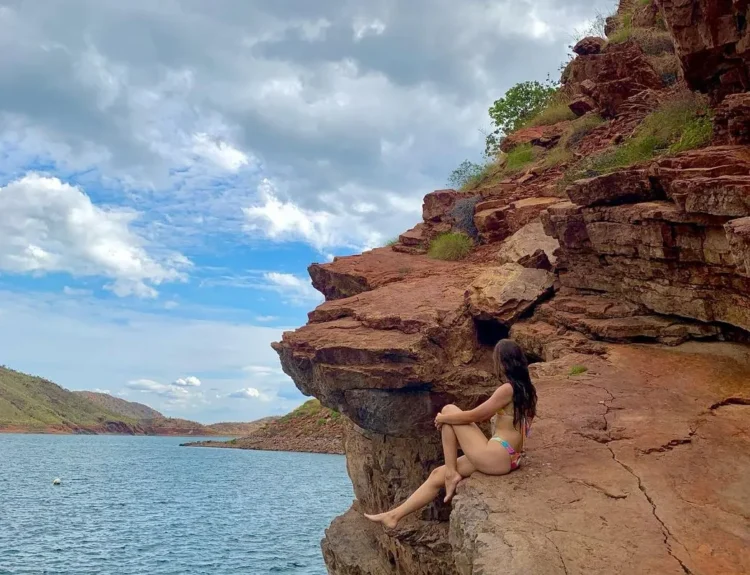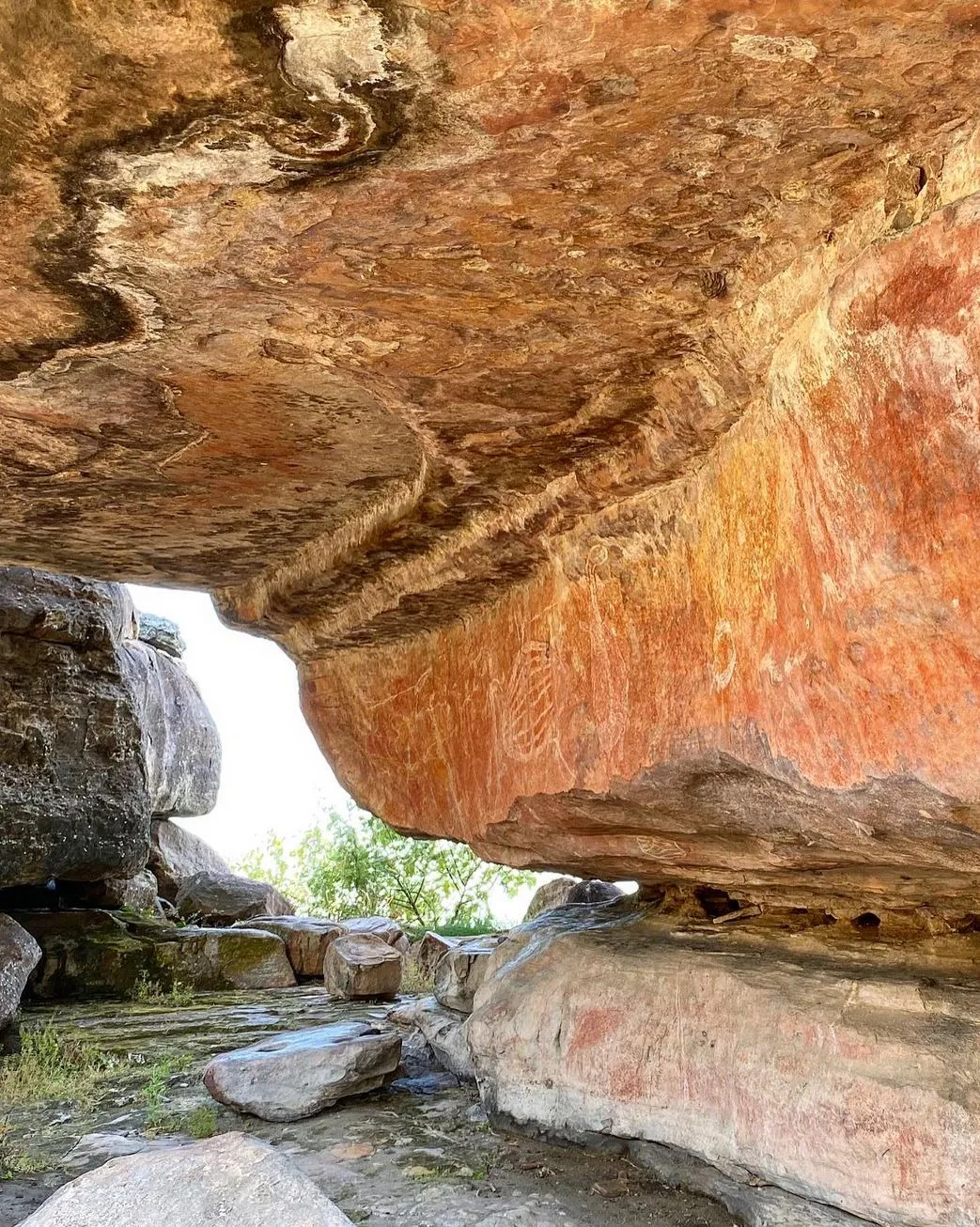
Kakadu National Park spans nearly 20,000 square kilometres, making it one of the largest and most culturally significant national parks in Australia. Situated in the Top End of the Northern Territory, this UNESCO World Heritage-listed park is a fusion of stunning landscapes, ancient escarpments, and rich biodiversity. However, beyond its ecological diversity lies a deeper truth: Kakadu is a sacred cultural landscape, holding profound spiritual significance for the Aboriginal peoples who have lived here for over 65,000 years.
This living culture, still vibrant today, is maintained by Indigenous communities who act as stewards of the land. Kakadu is an extraordinary place where traditional knowledge, spiritual connection, and environmental knowledge come together to form a uniquely Australian expression of cultural heritage. Experiences like those offered by Kakadu Day Tours allow visitors to learn from local guides, engage with ancient rock art, and explore the park’s natural values respectfully and mindfully.
Contents
Aboriginal Custodianship and the Dreaming
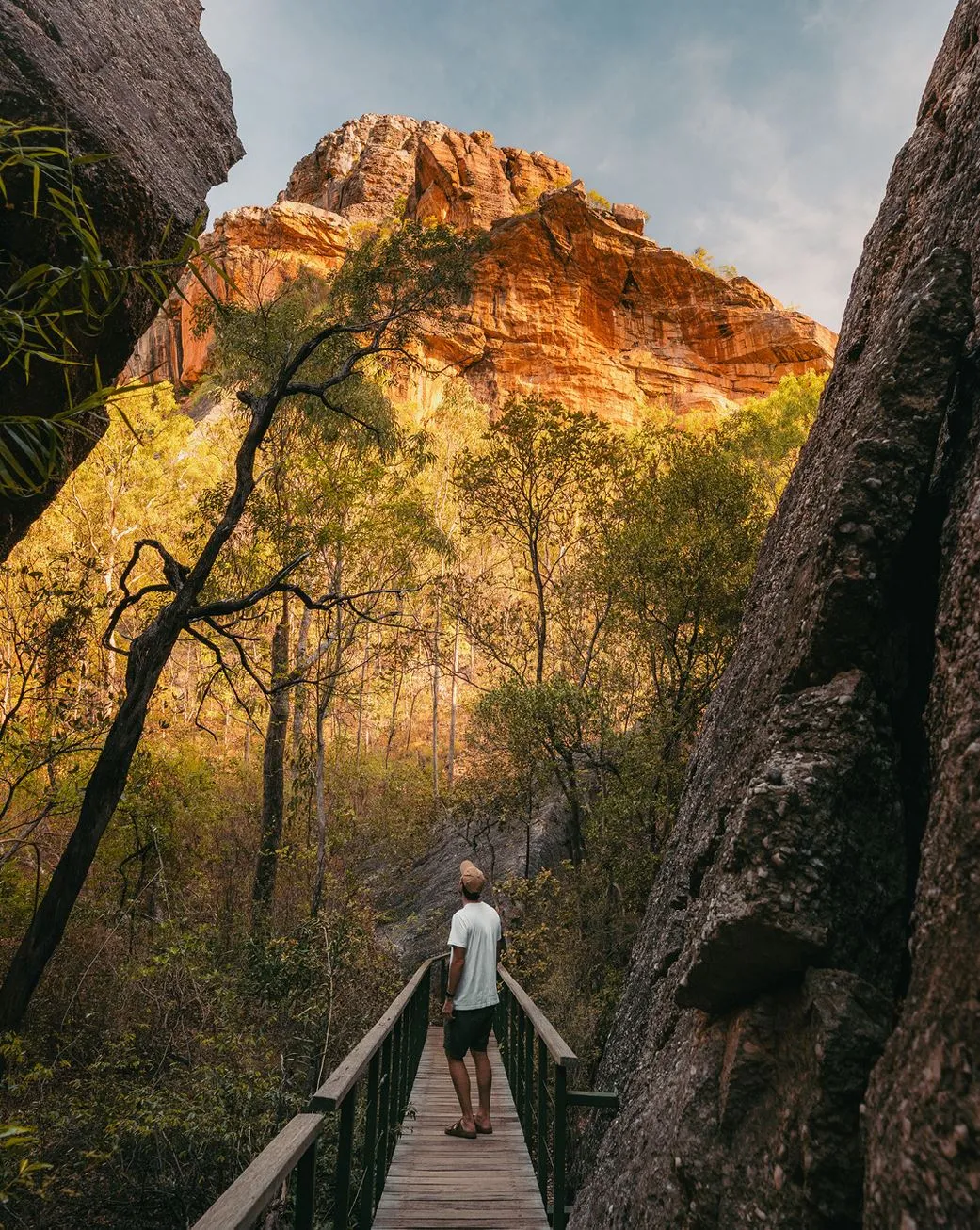
At the core of Kakadu’s spiritual significance is the Dreaming—or Dreamtime—a complex tapestry of creation stories that guide every aspect of Aboriginal life. These stories, passed down through oral tradition, recount how ancestral beings shaped the land, its rivers, escarpments, plant species, and bird species. For the Bininj/Mungguy people, the traditional custodians of Kakadu, every waterhole, cliff, and rock shelter is a record of these ancient stories.
These ancestral lands are not only a source of spiritual inspiration but also a foundation for cultural practices, law, and identity. The Dreaming is ongoing, forming a spiritual framework that continues to guide daily life, ceremonial sites, and the management of natural environments. Visitors are invited to witness this deep connection through respectful engagement with Indigenous guides and cultural sites.
Sacred Sites, Rock Art, and Cultural Practices
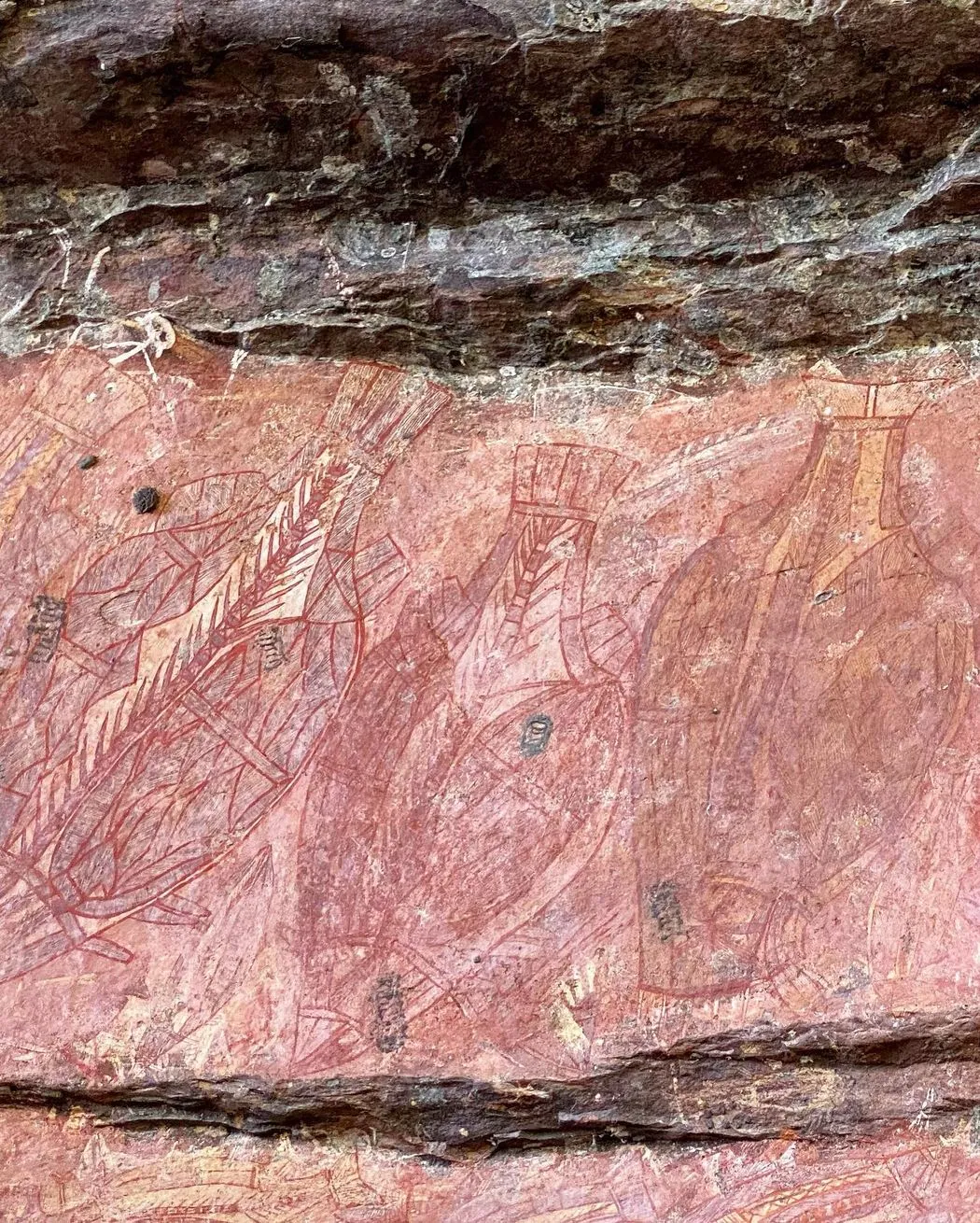
Kakadu is rich with archaeological sites and rock art sites that document the world’s oldest continuous culture. More than 5,000 cultural heritage sites have been identified, including ceremonial sites and ancient rock art galleries that date back over 20,000 years. These sites are not mere artistic expressions—they are spiritual landmarks deeply embedded in the land.
To better understand the diversity and importance of sacred locations across the park, here’s a quick comparison of key spiritual sites:
| Sacred Site | Cultural Features | Access Requirements | Spiritual Significance |
|---|---|---|---|
| Ubirr | Rock paintings, Dreamtime figures | Open to the public | Dreaming stories, teaching site |
| Nourlangie | Bark paintings, ceremonial depictions | Open to the public | Site of ancestral beings |
| Nanguluwur | Rock art, human figures, and fish depictions | Open to the public | Ceremonial art and historic cultural values |
| Koolpin Gorge | Restricted ceremonial grounds | Permit required | Healing and sacred form ceremonies |
| Jim Jim & Twin Falls | Natural landmarks shaped by ancestors | Seasonal access | Spiritual power, ancestral presence |
At Ubirr, you can see rock paintings of humans, internal organs, fish, and Dreaming ancestors. At Nourlangie and Nanguluwur, you’ll see bark paintings, traditional designs and cultural activities tied to spiritual rituals. These are the most accessible sites in the park and give you a glimpse into the cultural values of Aboriginal people.
But many other Indigenous sites are off-limits to the general public, protected to preserve their sacred form and spiritual integrity. Some are in restricted areas that require special permission to enter. These sites are active ceremonial grounds and continue to be used by Indigenous people as places of learning, worship and cultural continuity.
Nearby Destinations
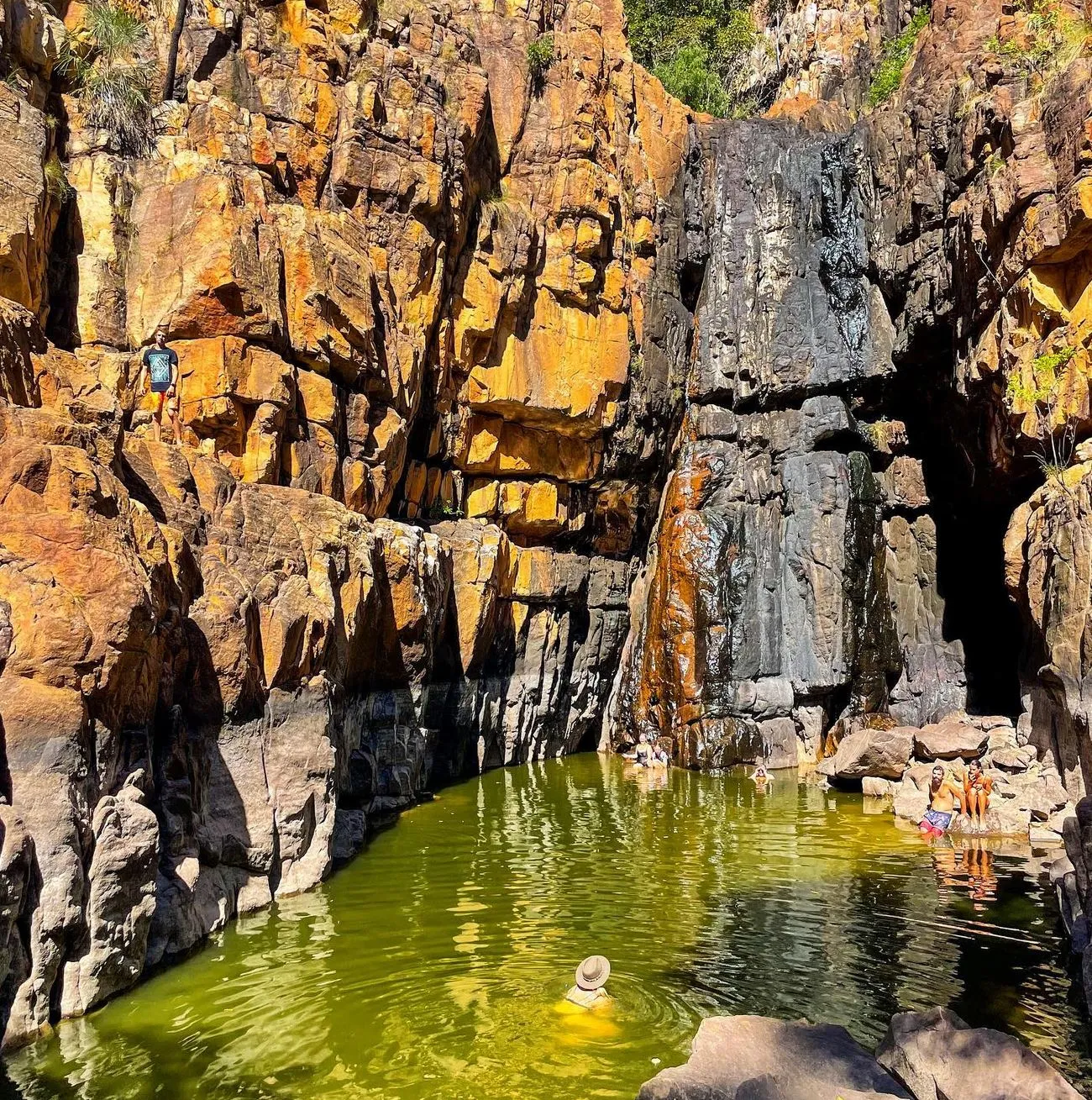
The spiritual story of Kakadu extends to nearby destinations like Litchfield National Park and Nitmiluk Gorge (Katherine Gorge). These areas are also significant to other Indigenous groups and part of broader songlines – spiritual pathways that connect different parts of the land through shared creation stories.
Visiting these cultural landscapes in sequence with providers like Autopia Tours gives you a deeper understanding of the Top End’s spiritual geography. These Kakadu tours combine scenic beauty with cultural immersion so you’ll develop a deeper understanding of the region’s sacred heritage.
Spiritual Significance of Natural Features
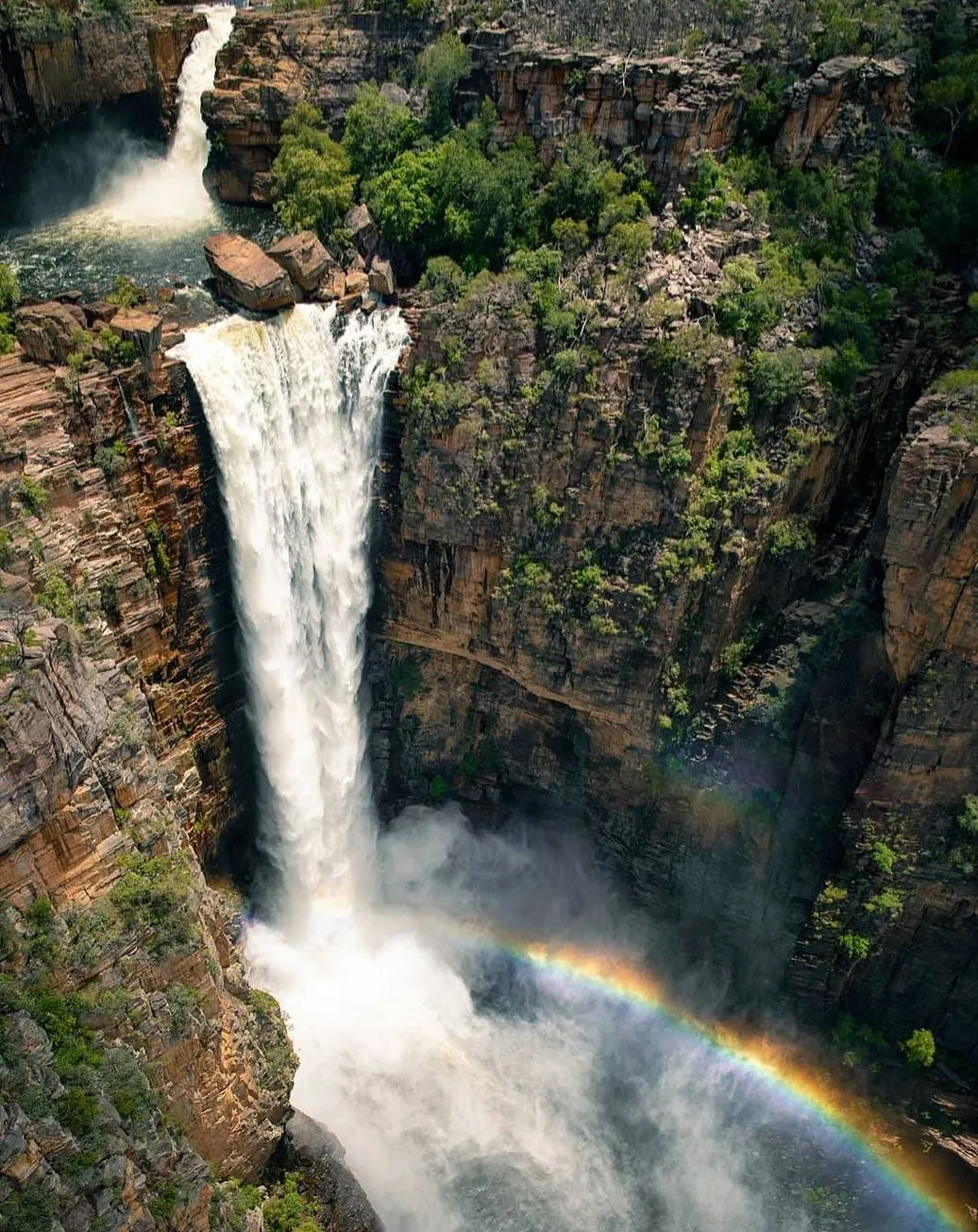
From its waterfalls to billabongs and escarpments, Kakadu’s natural features are steeped in cultural significance. For example:
- Jim Jim Falls and Twin Falls are connected to ancestral creation beings and are seen as places of spiritual power.
- Maguk, a tranquil gorge and plunge pool, is associated with cleansing rituals and spiritual renewal.
- Koolpin Gorge (Jarrangbarnmi) is so spiritually sensitive it requires a permit to visit, that’s how important it is.
Each of these places embodies the connection to country that is Aboriginal spirituality. Their spiritual essence contributes to the park’s beauty and sacredness.
Living Culture and Co-Management
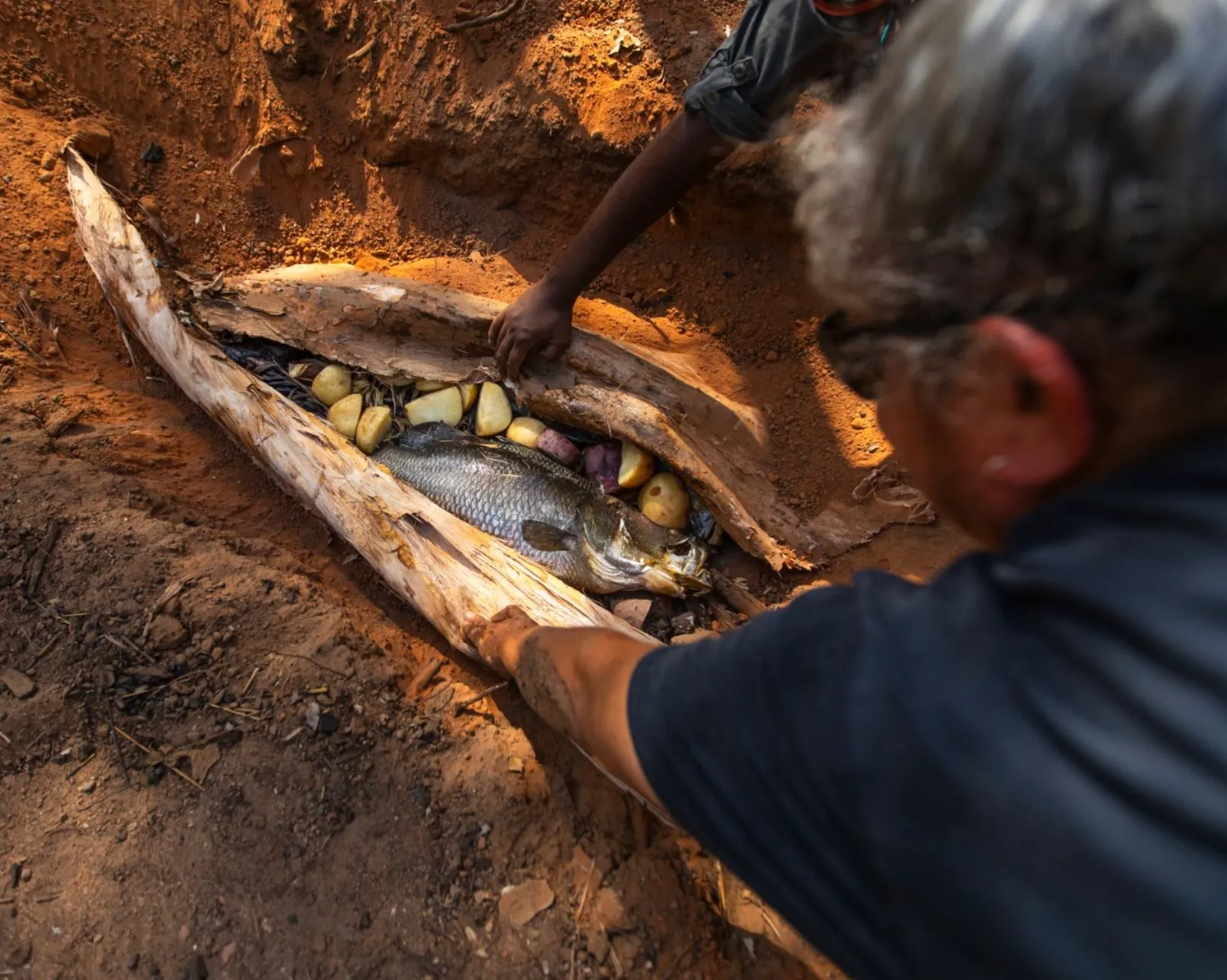
Kakadu is a model of co-management where Aboriginal rangers and the federal government work together to protect natural and cultural assets. Traditional ecological knowledge is applied to land care, fire management during the dry season, and biodiversity monitoring during the wet season. These practices have been going on for centuries and are a dynamic relationship with the land. Community centres in the park are the hubs for cultural transmission, storytelling and education. Here younger generations learn the traditional knowledge of their ancestors and tourists get to learn about Indigenous life. This dual role keeps the culture alive and educates outsiders about the deep spiritual significance of the park.
Through cultural activities, ceremonies and seasonal gatherings Kakadu is a living cultural landscape. It’s not just a destination but a spiritually active place where sacred sites are protected, creation stories are told and a deep connection to the land remains.
Environmental and Cultural Diversity
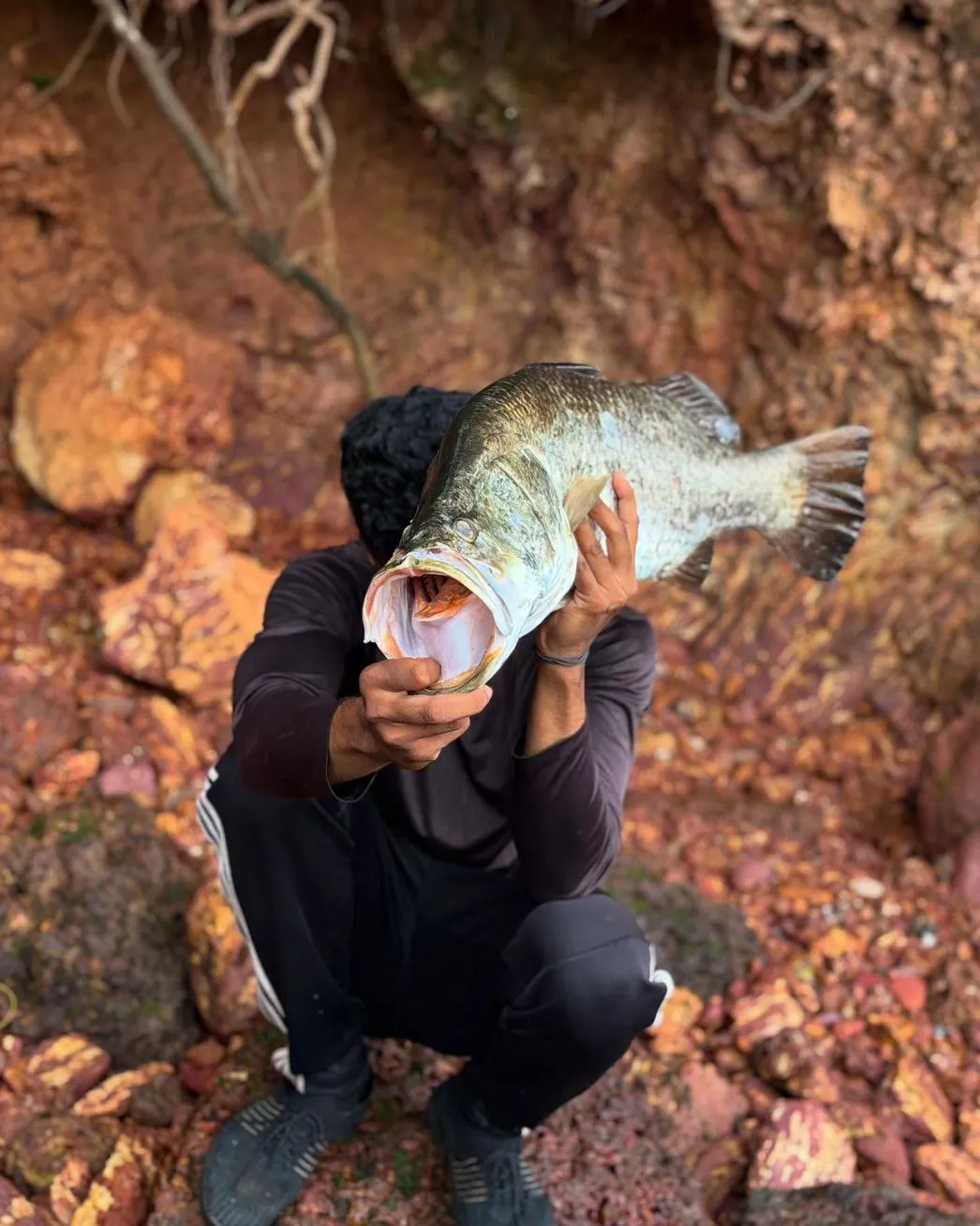
Kakadu has many habitats – floodplains to stone country – and extraordinary biodiversity. It’s home to many bird species, plant species and aquatic life including crocodiles and barramundi. These natural values are part of Indigenous identity and survival. Each species is part of a bigger cultural story that links human, animal and land.
As you walk through this beautiful landscape you’ll see that every part of the environment is connected through cultural values. Sacred sites aren’t isolated – they’re part of a bigger cultural landscape that’s shaped by human and spiritual interaction.
Touring with ethical, Aboriginal-led or -partnered groups like Autopia Tours means your visit contributes to the preservation and appreciation of this sacred form of tourism.
Respect and Responsibility
Kakadu is a place of spiritual power and historical significance. It’s everyone’s responsibility to approach the park with humility, curiosity and respect. This means:
- Acknowledge the cultural heritage of the land
- Listen to local Aboriginal guides and elders
- Don’t enter restricted areas unless authorised
- Don’t touch or disturb rock paintings and ceremonial areas
- Participate in educational and cultural tours when possible
By doing so you become part of the effort to protect Kakadu’s sacred essence. The opportunity to visit Kakadu isn’t just a travel adventure – it’s a chance to connect with Australia’s ancient spiritual and cultural roots.
FAQ
Why is Kakadu sacred to Aboriginal people?
Because it’s an ancestral land shaped by creation stories and full of sacred sites, reflecting a deep spiritual connection to the country and the natural environment.
What are the Dreaming stories?
Dreaming stories are the foundational spiritual and cultural narratives passed down for generations. They express traditional knowledge, environmental knowledge and cultural values that guide Indigenous life.
Can visitors access all sacred sites in Kakadu?
No. Some cultural sites and ceremonial sites are closed to protect their sacred form. Permits and guided tours may be required to access certain areas.
What role do rock art sites play in Aboriginal spirituality?
Rock art sites are cultural heritage sites that depict spiritual beings, human figures and cultural practices. They’re used for teaching, ceremonies and maintaining a spiritual connection.
How can visitors respectfully engage with Kakadu’s cultural heritage?
With Indigenous operators, follow signs, learn about cultural landscapes and every site is a living culture connected to its people.